


Building AI Systems That Serve the Public Interest: A Municipal Perspective
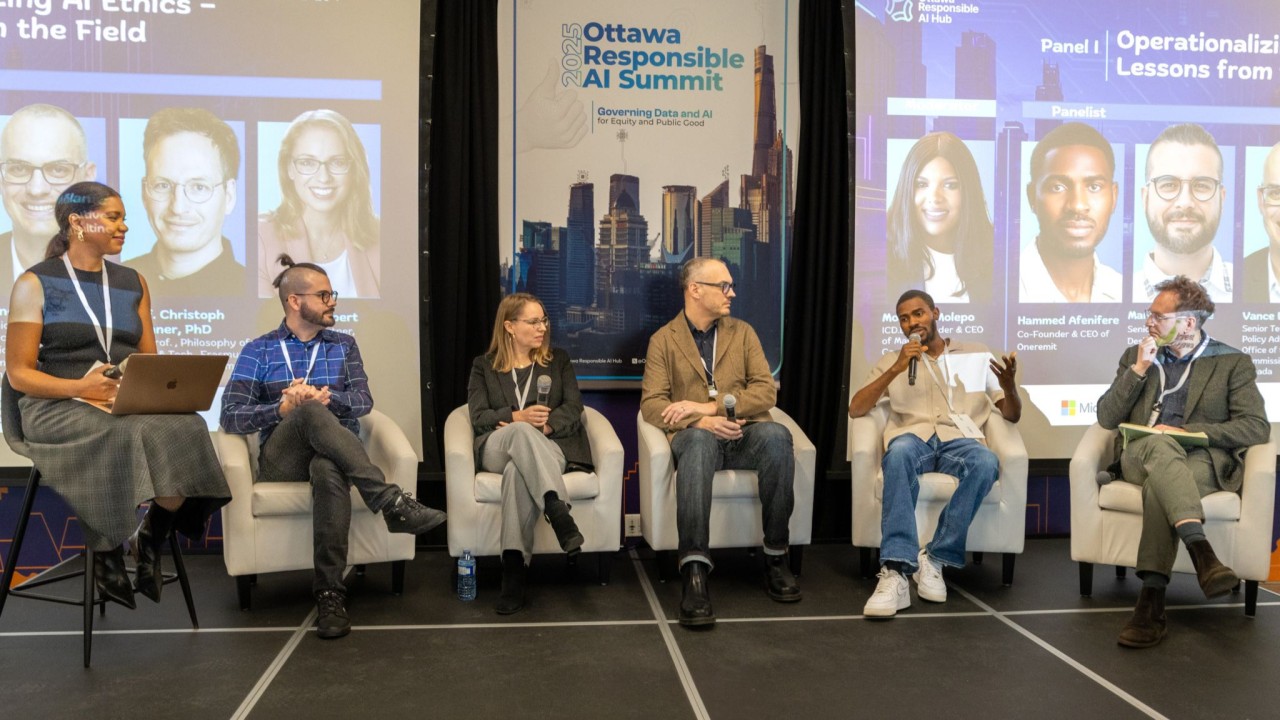
Between Ottawa's inaugural Responsible AI Summit and InfoTech Live Montreal, a clear pattern emerged: municipalities and public-sector organizations that are successfully implementing AI aren't the ones racing to adopt every new tool. They're the ones asking more complex questions upfront.
Why This Matters Now
The Strategic Gap
InfoTech's survey of 738 IT leaders reveals a critical gap. While AI has graduated to "transformational" technology alongside cloud and cybersecurity, 92% of organizations lack a corporate-wide AI strategy. For municipalities, this gap represents both risk and opportunity.
The risk: implementing AI systems without the governance, auditability, and public accountability your constituents expect.
The opportunity: building AI infrastructure that compounds trust and capability over time, while others are still figuring out basic governance.
The Window for Strategic Action
The World Uncertainty Index climbed 481% since early 2025. Municipalities that use this moment to make strategic decisions about data sovereignty, vendor relationships, and architectural flexibility will have frameworks in place that serve them for years to come.
What Ottawa's Responsible AI Summit Revealed
From AGI to Community SovereigntyWhile Silicon Valley races toward AGI, Ottawa's summit asked: "Who owns our neighbourhood's story?"
MP Jenna Sudds, the Privacy Commissioner's office, the Canadian Digital Service, and representatives from Google Cloud, Microsoft, IBM Consulting, PwC Canada, and Mila (Quebec's AI research institute) joined academics from Carleton, Queen's, and Erasmus Rotterdam. The focus was on AI risk assurance, operationalizing ethics, and data justice.
Building Right, Not Slow
Here's what matters for municipalities: Ottawa isn't saying "slow down." It's saying "build it right." Municipalities that understand this can move faster because they're building on solid foundations that withstand public scrutiny and FOI requests.
Four Questions Municipal Leaders Are Asking
The municipalities getting AI implementation right are asking these questions before procurement, not after deployment:
1. Where does processing happen, and who controls our residents' data?
Understanding Data SovereigntyThis isn't just a privacy question. It's about municipal sovereignty and public accountability. When you know where your data lives, who trains AI models on it, and what happens to resident information, you can answer constituent questions confidently and make informed decisions about vendor relationships as regulations evolve.
Defending Your Systems
A municipality implementing AI-powered permit processing must explain to residents where their personal information is stored, who has access to it, and how it's protected. If you can't answer those questions, you can't defend the system when it's challenged at council or in the media.
2. Can you audit and explain decisions to the public?
Transparency Enables TrustAuditability isn't bureaucracy. It's how you maintain public trust. When a resident asks why their building permit was flagged, when a councillor questions how the AI reached a recommendation, or when an FOI request comes in, can you trace, justify, and defend every decision?
Moving Beyond Black Boxes
Municipalities live in a world of public accountability. AI systems that work like black boxes create political risk and erode constituent trust. Systems designed for transparency from day one enable you to move confidently through council approval, respond to media inquiries, and identify improvements when issues arise.
3. Where do municipal staff stay in the loop?
The Role of Human JudgmentMunicipal services require judgment about community context, local priorities, and edge cases that AI can't handle on its own. The most effective municipal AI implementations use automation for scale and speed, processing routine requests, flagging anomalies, and surfacing patterns across large datasets, while keeping staff where they add the most value: applying local knowledge, handling sensitive situations, making decisions that require understanding of community impact, and maintaining relationships with residents and businesses.
Real-World Application
A bylaw enforcement system might use AI to identify potential infractions across thousands of properties. However, experienced officers still decide which situations require education rather than enforcement, which cases have extenuating circumstances, and how to balance the consistent application of rules with community needs.
4. Did you build for long-term municipal needs or vendor convenience?
The Cost of Lock-InVendor independence means you capture the upside of falling AI costs and rapid innovation. Lock-in means you pay premium prices while watching other municipalities pivot to better solutions.
What Strategic Municipal Implementation Looks Like
The pattern across successful municipal AI projects isn't rocket science. It's thoughtful architecture:
1. Start with sovereignty as a strategy
Understanding where your data goes, who controls it, and how it's used gives you negotiating leverage with vendors, clarity with regulators, and answers for constituents. It also gives you flexibility to optimize costs as the market evolves and change providers if relationships sour.
2. Build for auditability from day one
Systems designed for transparency speed through council approval, withstand FOI scrutiny, build constituent confidence, and make iteration easier because you understand what's actually happening. When something goes wrong, and eventually something will happen, you can identify the issue, explain it publicly, and fix it quickly.
3. Design human-AI partnerships intentionally
The goal isn't "AI does everything" or "staff does everything." It's optimizing the handoff between automation and judgment. AI handles volume, speed, and pattern recognition across thousands of cases. Staff handles context, community priorities, sensitive situations, and decisions that affect people's lives. Get this right, and you multiply both capacity and trust.
4. Architect for flexibility
The technology will change. Your budget will fluctuate. Vendor relationships will evolve. Political priorities will shift. Municipalities that build AI systems—whether standalone tools or integrated into larger platforms like ERPs—with modular architecture, open APIs, and data portability will adapt successfully. Those who built rigid, vendor-locked systems will face expensive decisions every time something changes.
The Real Opportunity for Municipalities
Leading the Way Forward
The gap between leading municipalities willing to implement AI in their services in ways that serve the public interest and systems that can evolve as community needs shift will lead the way.
Strategic Architecture Matters
The question isn't whether to adopt AI. Every municipality will eventually use these tools. The question is whether you're implementing it with the strategic architecture that turns early adoption into lasting capability and public trust.
Building Right From the Start
At Ottawa's Responsible AI Summit, the conversation wasn't about whether AI belongs in municipal services. It was about building it right, with governance structures that protect residents, transparency that maintains trust, and flexibility that serves changing community needs.
The Time to Act Is Now
The opportunity is significant. The scrutiny is high. And the municipalities that combine practical adoption with thoughtful implementation will be the ones still leading when constituents demand accountability and the technology landscape shifts again.
The window for strategic implementation is now, before you're stuck defending outdated systems to the council or explaining to residents why you can't answer basic questions about how their data is used.